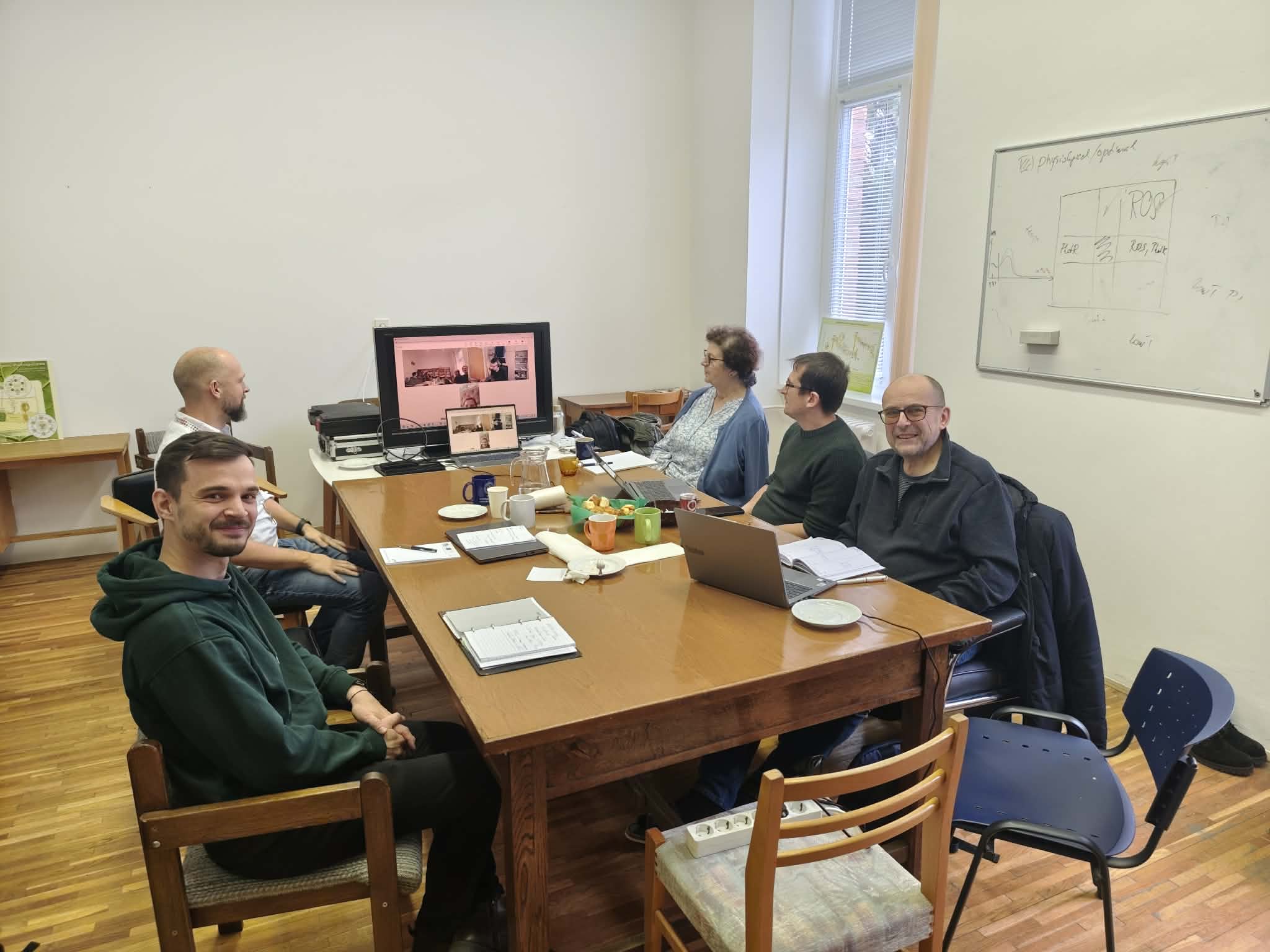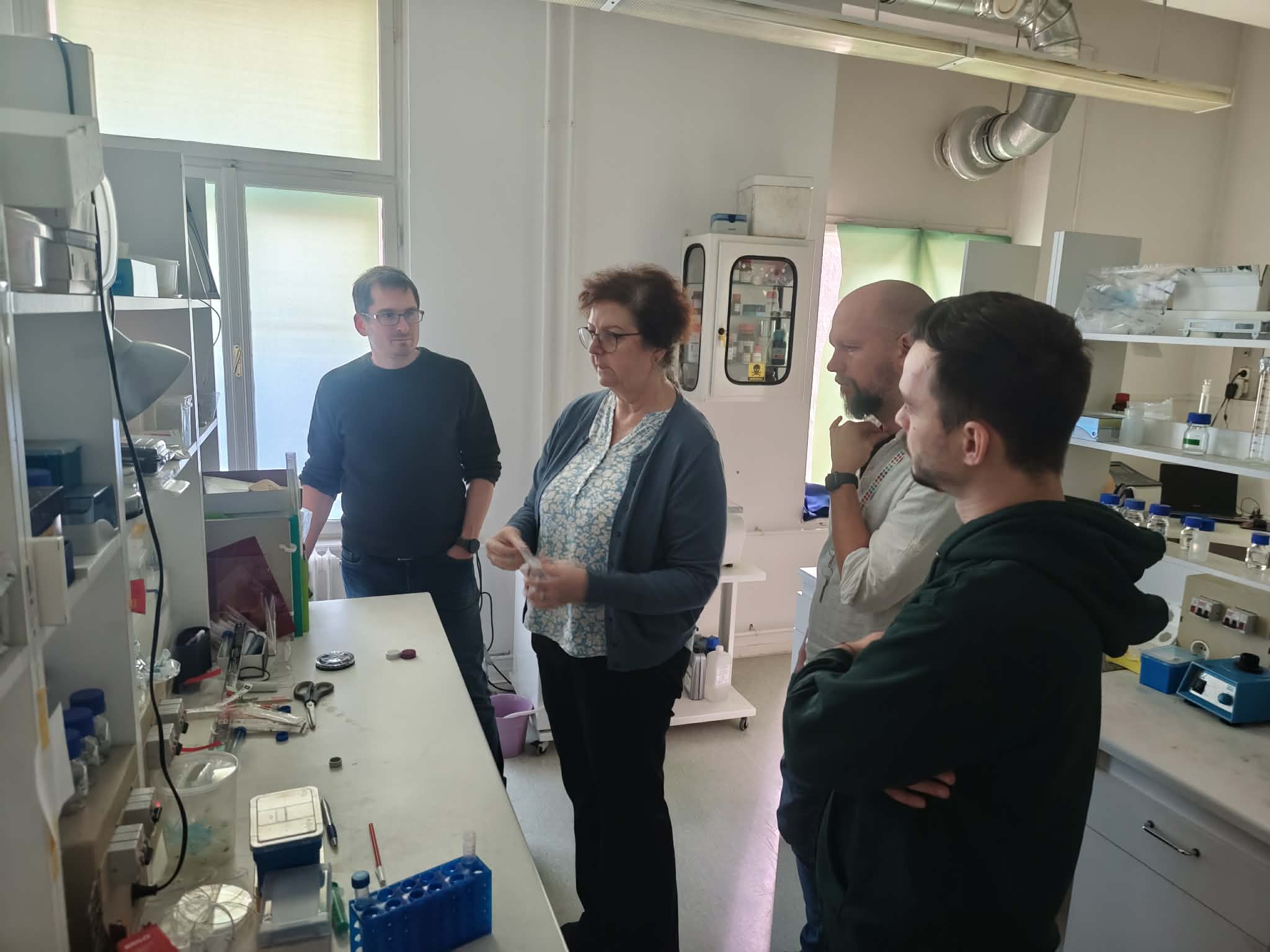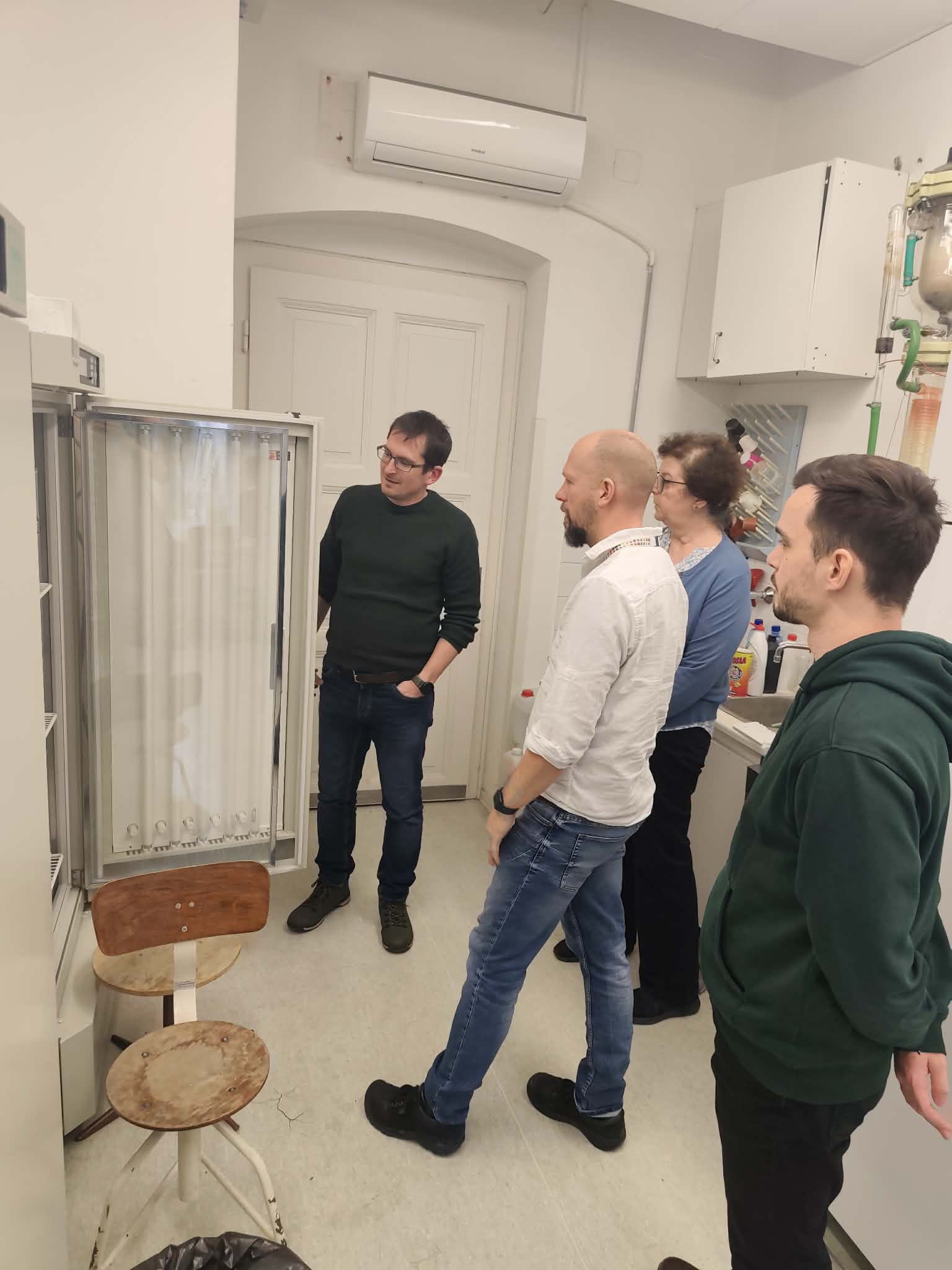
On January 12–16, 2026, members of the Biophysics research group of the Faculty of Science of the University of Pécs visited the Department of Plant Biology of the University of Pécs in Hungary. The meeting took place within the research activities of the LERCO project (VP2-BF-HA2) and represented a significant step in further deepening international cooperation.
Joint study focused on the effects of UV radiation
The key outcome of the coordination meetings was the planning of a joint experimental study, in which doctoral students of the Faculty of Science of the University of Pécs will actively participate during their internships abroad.
The research being prepared will focus on evaluating the effect of UV radiation on plant morphology under field conditions, accumulation of primary metabolites, synthesis and redistribution of secondary metabolites with a special emphasis on protective phenolic compounds.
The meeting also included a detailed discussion on the preparation of new joint project applications, which have the ambition to expand the existing cooperation to include additional experimental approaches and methodological platforms.
Experimental work: enzymology, photooxidation and optical properties of leaves
A number of targeted experiments in the field of enzymology and plant physiology were also carried out during the visit.
Ascorbate peroxidase isozymes
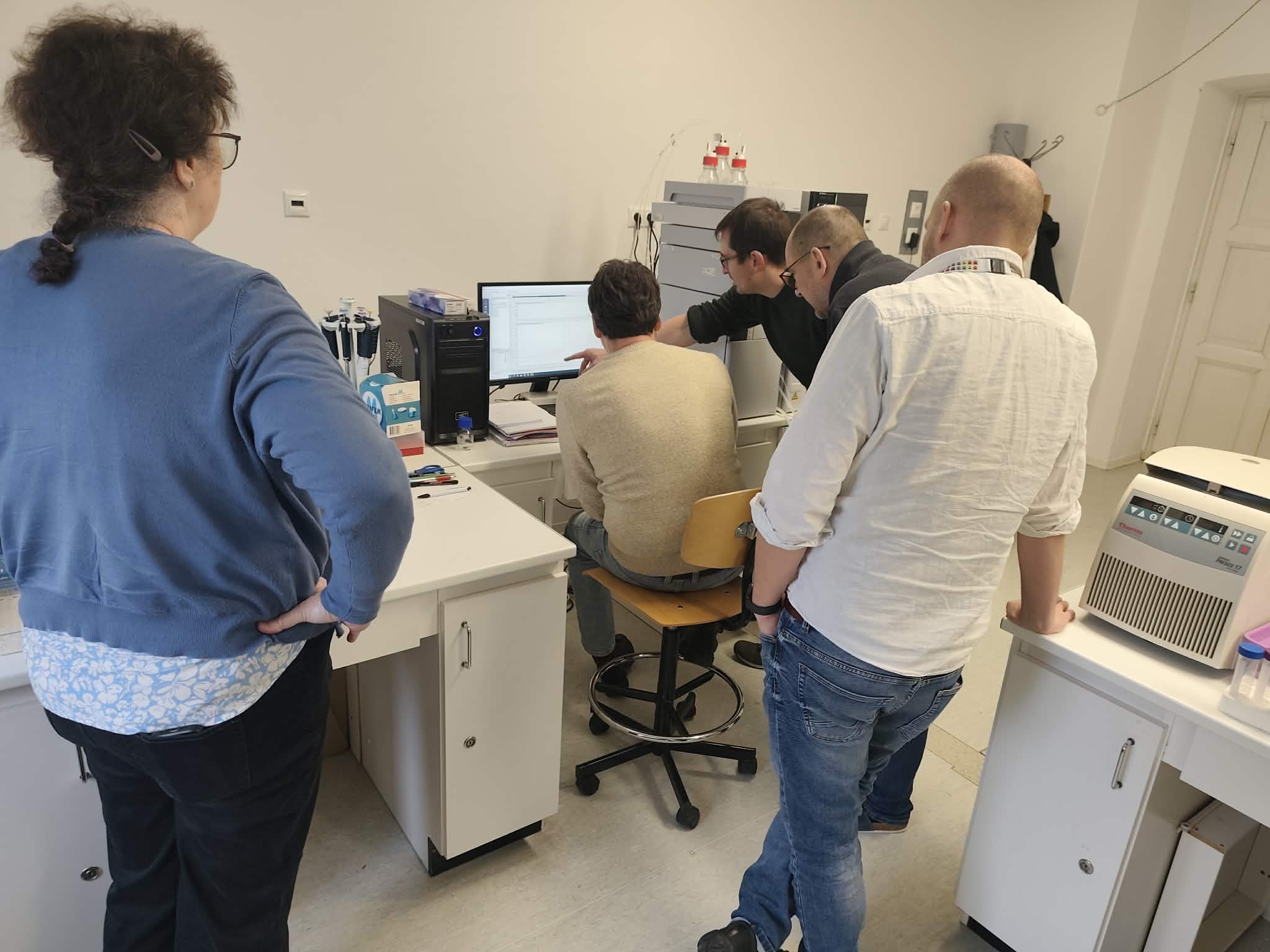
The identification of ascorbate peroxidase isozymes and determination of their activity were addressed. In parallel, the stability of these extracts was monitored with the aim of ensuring conditions suitable for subsequent native electrophoretic separation of enzyme forms. This step is essential for the detailed characterization of the antioxidant mechanisms of plants exposed to UV stress.
Quercetin oxidation
Pilot experiments were focused on the oxidation of quercetin by hydrogen peroxide and the comparison of the resulting oxidation products with the process of chlorophyll-induced photooxidation. The aim is to refine the interpretation of the mechanisms that are involved in UV-induced oxidative stress and modification of flavonoid structures.
Optical properties of leaves and content of protective pigments
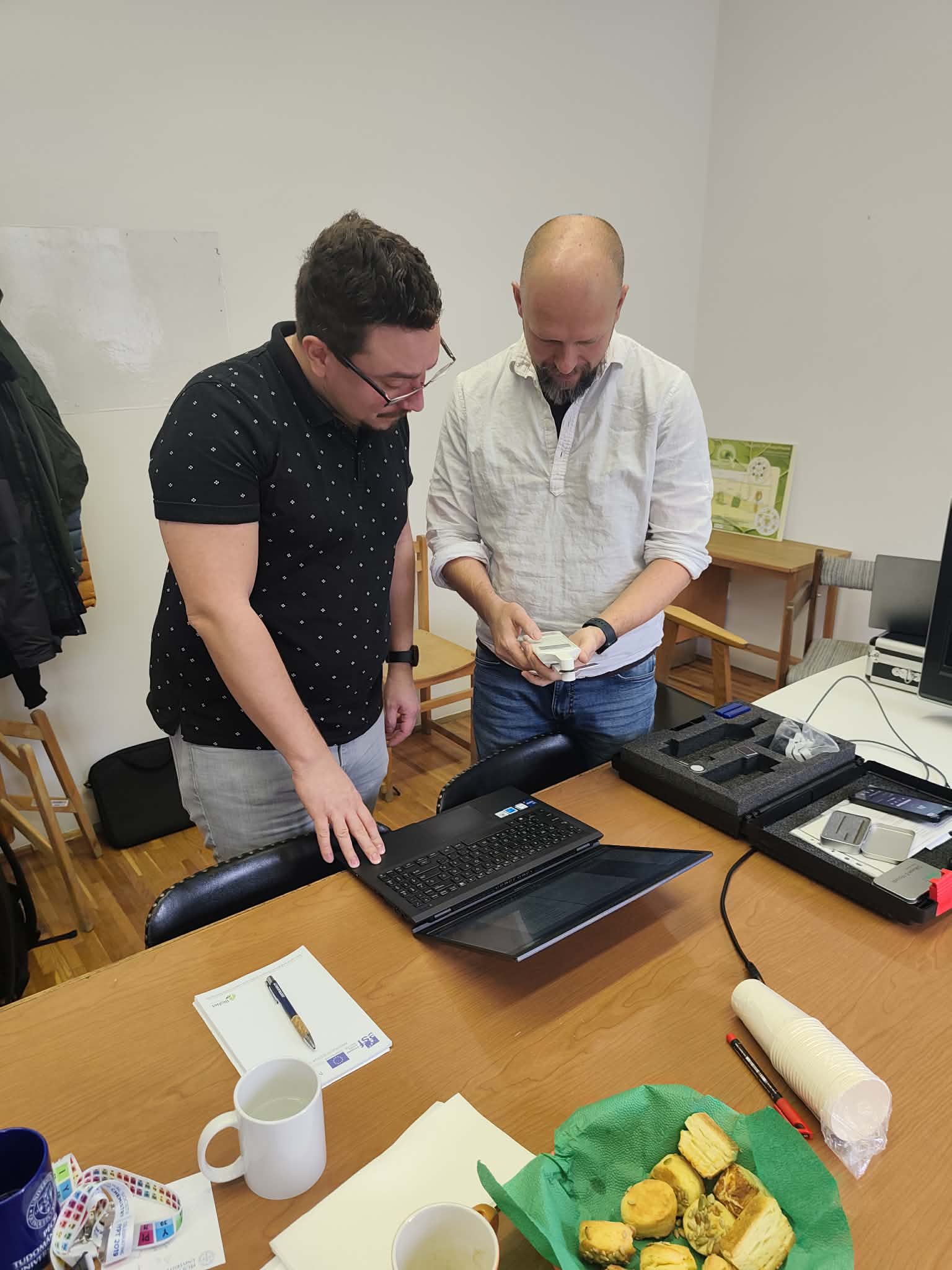
Using the LSA 2050 instrumentation imported from the Biophysics department of the Faculty of Science of the University of Prague, the effect of UV radiation of different wavelengths on the optical properties of leaves of the model plant Arabidopsis thaliana was studied.
Special attention was paid to the content of epidermal flavonoids, the accumulation of anthocyanins and their role in protecting the photosynthetic apparatus from UV radiation.
These measurements represent an important bridge between the biochemical analysis of metabolites and the functional assessment of the physiological response of plants.
Technical cooperation and other research directions
During the stay, the team members also participated in solving technical problems of the partner department, specifically in identifying a defect in the IRGA system for measuring gas exchange.
Another significant outcome of the work trip is participation in the preparation of a study focused on evaluating the role of vitamin B₆ in plant resistance to UV radiation. This direction expands the current research to include a new metabolic aspect of protective mechanisms.